
There is something undeniably magical about a perfectly baked cake. Whether it’s a towering birthday masterpiece or a humble loaf sliced to accompany your afternoon tea, cake has a unique way of turning an ordinary moment into a celebration. But if you’ve ever ended up with a cake that resembled a dense brick or a crumbly mess, you know that baking is as much a science as it is an art.
To master the craft, you need to understand the fundamental building blocks: the basic ingredients, the spectrum of flavors, and the secrets behind achieving the perfect texture. Let’s dive in.
1. The Core Ingredients: The Elements of Baking Science
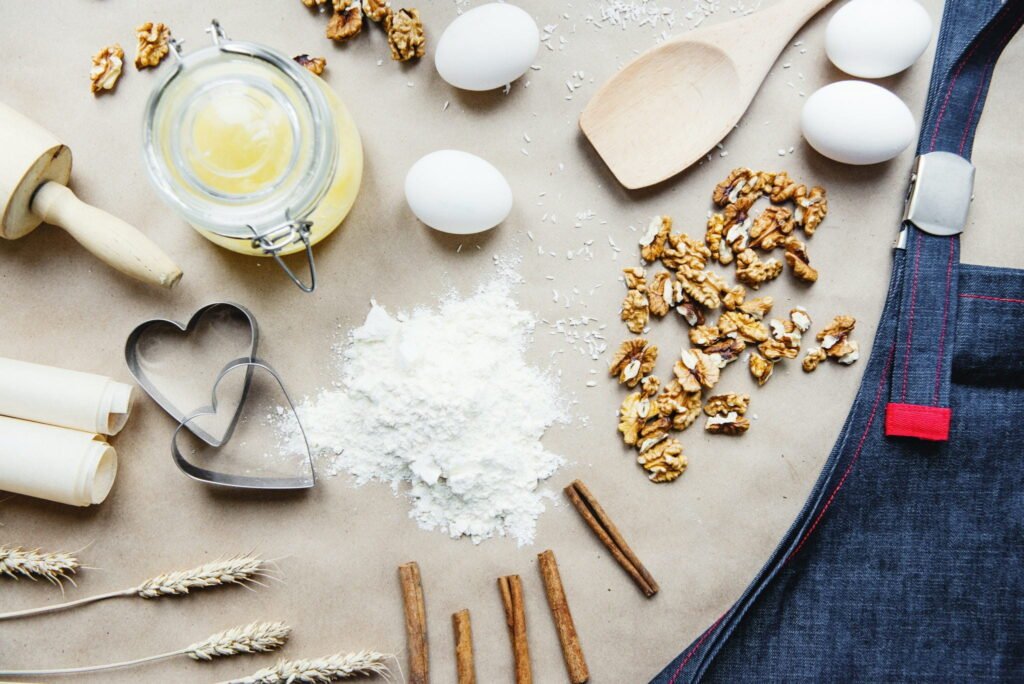
At its heart, a classic cake relies on a handful of pantry staples. Each ingredient plays a critical, scientific role in how the cake rises, binds, and tastes.
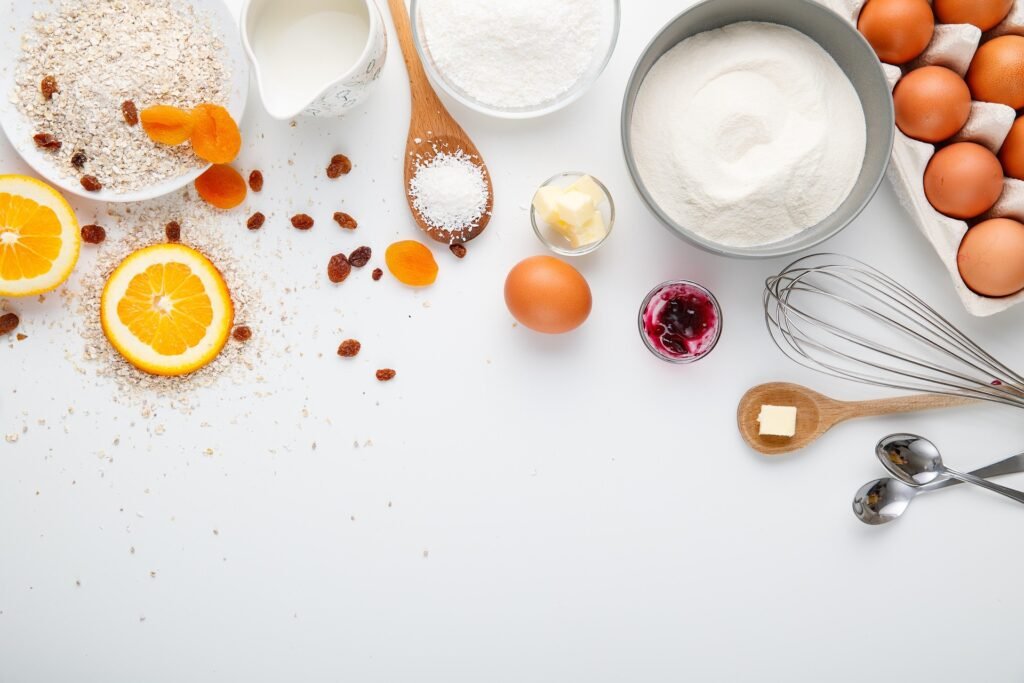
Flour: The backbone of your cake. Cake flour is highly recommended for its low protein content (around 7-8%), which yields less gluten and results in an incredibly soft, tender crumb. Regular all-purpose flour works well for sturdier cakes.
Sugar: Beyond adding sweetness, sugar is crucial for moisture. When creamed with butter, sugar crystals cut into the fat, creating tiny air pockets that help the cake rise. It also slows down gluten development, keeping the bite tender.
Fats (Butter or Oil): Fat coats the flour proteins, preventing them from bonding too tightly with liquids. Butter provides that unmatched, rich flavor, while oil keeps a cake exceptionally moist, even when stored in the fridge.
Eggs: The ultimate multitaskers. Eggs provide structure, lift, and emulsification. The whites trap air when whipped, acting as a natural leavening agent, while the yolks add richness and color.
Leaveners (Baking Powder and Baking Soda): These are the chemical engines of your cake. They produce carbon dioxide gas when exposed to moisture and heat, causing the batter to expand and lift.
Liquids (Milk, Buttermilk, or Water): Liquid hydrates the dry ingredients, activates the leavening agents, and dissolves the sugar. Buttermilk is a baker’s secret weapon—its acidity breaks down gluten for a remarkably tender bite.
A Spectrum of Flavors: From Classic to Contemporary
once you master the base, flavor is where your creativity can truly shine. Cake flavors generally fall into three delightful categories:
Vanilla Bean: Far from boring, a high-quality vanilla extract or real vanilla bean caviar offers a complex, floral, and comforting flavor profile.
Rich Chocolate: Enhanced with a touch of espresso powder (which intensifies the chocolate without adding coffee flavor), a good chocolate cake uses Dutch-processed cocoa or melted high-quality dark chocolate for ultimate decadeness.
Fruity and Refreshing
Zesty Citrus: Lemon, lime, or blood orange cakes utilize both the juice and the zest. Rubbing the citrus zest directly into the sugar before mixing releases essential oils that elevate the aroma.
Spiced Fruit: Think classic carrot cake, banana bread cakes, or apple spice cakes loaded with cinnamon, nutmeg, and ginger.
Modern & Sophisticated
Salted Caramel & Praline: A beautiful balance of sweet, burnt sugar notes and a hint of sea salt.
Matcha & Earl Grey: Earthy, tea-infused cakes are soaring in popularity, offering a less traditional, sophisticated sweetness.
3. Decoding Texture: What Makes a Cake Perfect?
The success of a cake is heavily judged by its “mouthfeel” or texture. Depending on your mixing method and ingredients, you can achieve vastly different results:
+-------------------+-----------------------------------+-----------------------------------+
| Texture Type      | Key Characteristics               | Best Examples                     |
+-------------------+-----------------------------------+-----------------------------------+
| Light & Airy      | Sponge-like, delicate, bouncy     | Angel Food Cake, Chiffon, Genoise |
| Velvet & Tender   | Soft, tight crumb, melts in mouth | Red Velvet, Traditional Cupcakes  |
| Dense & Fudgy     | Heavy, moist, richly concentrated | Flourless Chocolate Cake, Mud Cake|
+-------------------+-----------------------------------+-----------------------------------+
Light & Airy: Achieved by whipping egg whites to stiff peaks and gently folding them into the batter. These cakes rely entirely on trapped air rather than heavy fats.
Velvety & Tender: The hallmark of a great birthday cake. This texture comes from the creamed-butter method or using acidic ingredients like sour cream and buttermilk, which tenderize the crumb.
Dense & Fudgy: These cakes swap out high amounts of flour for melted chocolate, almond flour, or heavy cream, creating a rich, luxurious weightiness.
Final Thoughts
Baking the perfect cake isn’t about luck; it’s about understanding how your ingredients interact. By choosing the right flour, balancing your fats and liquids, and paying close attention to your mixing methods, you can control the exact flavor and texture of your bake.
So, preheat your oven, grease your pans, and let your kitchen become your sweet laboratory. Happy baking!